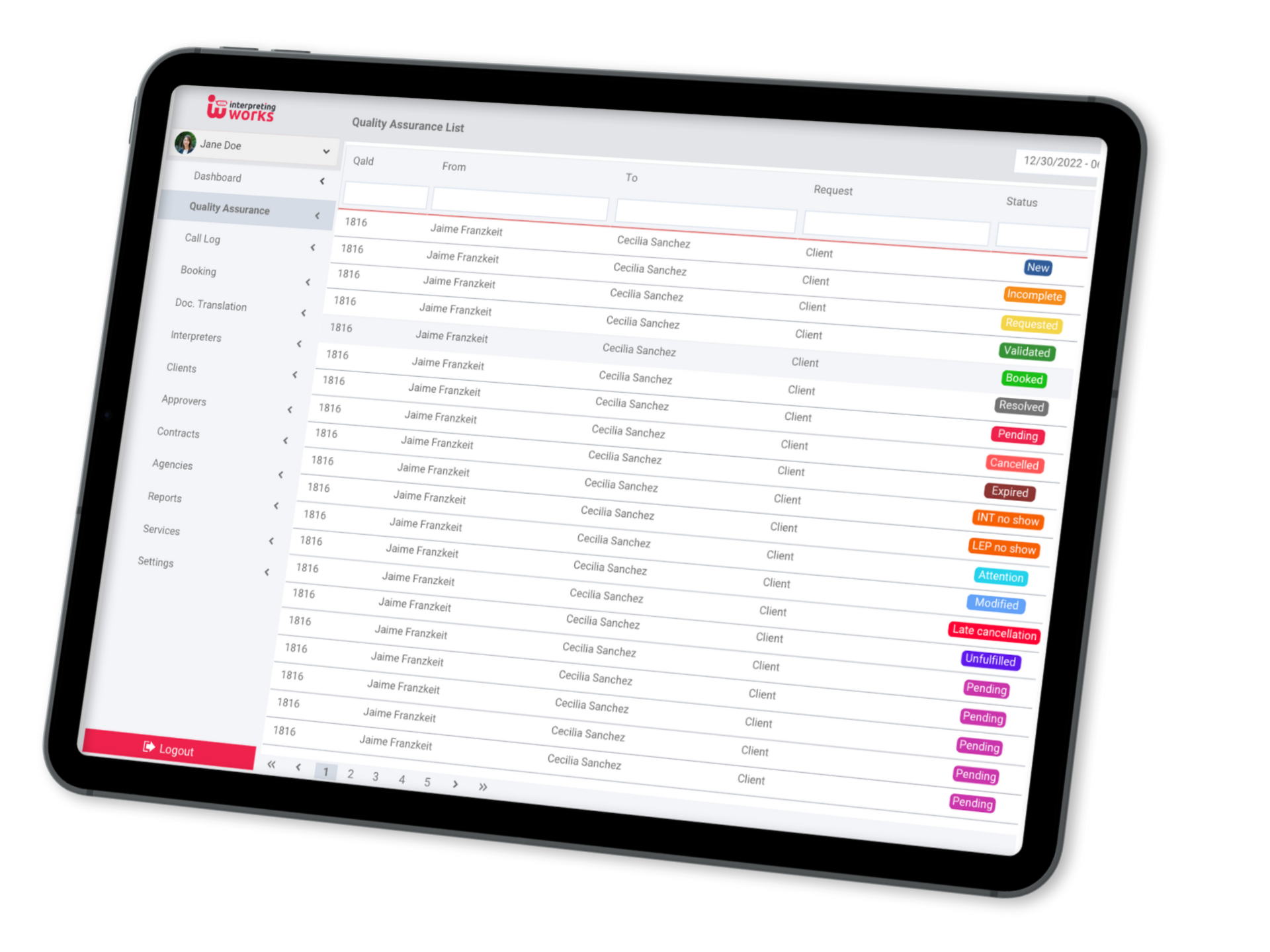
Language access isn’t optional in healthcare, it’s a federal requirement. Yet many providers still rely on ad-hoc solutions like bilingual staff, family members, or unqualified interpreters. These approaches carry serious legal and clinical risk.
The Legal Framework
Three federal laws create overlapping obligations for healthcare organizations:
Title VI of the Civil Rights Act (1964) requires any organization receiving federal funding to provide meaningful access to individuals with limited English proficiency (LEP). Hospitals, clinics, and federally qualified health centers all fall under this obligation.
Section 1557 of the ACA reinforces Title VI and explicitly prohibits discrimination on the basis of national origin, which includes language, in any health program receiving federal financial assistance.
The CLAS Standards (Culturally and Linguistically Appropriate Services) from HHS provide a framework for delivering equitable, culturally responsive care, including language access services.
What “Meaningful Access” Means
Meaningful access means a patient can communicate effectively with their provider, not just exchange basic information. For an LEP patient, that requires a qualified medical interpreter, not a bilingual receptionist who happens to speak the language.
A qualified medical interpreter:
- Has completed formal interpreter training
- Understands medical terminology in both languages
- Adheres to a professional code of ethics (impartiality, confidentiality, accuracy)
- Is credentialed and background-checked
The Risk of Using Untrained Interpreters
Clinical errors due to miscommunication are well documented. Using a patient’s family member as an interpreter, especially a minor child, is discouraged by professional guidelines and can create liability. If a patient is harmed because critical information was lost in translation, the provider may be held responsible.
How interpretingWorks Supports Compliance
The interpretingWorks platform was built with compliance at its core:
- Certified interpreter network: every interpreter in the system has verified credentials, background checks, and current compliance documents
- Document expiration alerts: the system notifies interpreters before certifications expire
- Electronic check-in/out: geo-location verification creates an auditable record of every session
- Unlimited reporting: generate compliance reports by language, location, date, or requester at any time
- HIPAA and HI-TECH compliant: all data encrypted in transit and at rest, role-based access control, full activity logging
Getting Started
If your organization doesn’t have a structured language access program, interpretingWorks can help you build one. There are no setup fees: you pay only for completed assignments.
Contact us to learn how we support hospitals, clinics, courts, and schools across the United States.
Sources & Further Reading